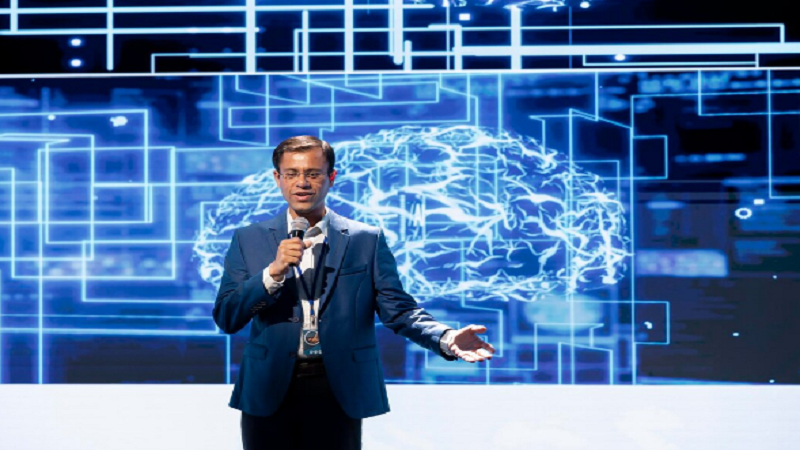
In today’s rapidly evolving digital landscape, strong leadership plays a crucial role in determining whether a company thrives or struggles to keep pace with innovation. Behind every successful technology organization is a visionary individual who understands market trends, embraces innovation, and inspires teams to achieve ambitious goals. When discussing influential figures associated with modern technology solutions, Stewart from WaveTechGlobal is a name that often attracts attention among professionals interested in digital transformation, technology strategy, and business growth.
As technology continues to reshape industries worldwide, leaders who can bridge the gap between technical innovation and business success become increasingly valuable. Stewart’s role within WaveTechGlobal reflects the importance of strategic thinking, technological expertise, and customer-focused innovation in today’s competitive marketplace.
This article explores the significance of Stewart from WaveTechGlobal, the company’s approach to innovation, the evolving technology landscape, and the lessons businesses can learn from technology leaders who drive meaningful change.
Understanding WaveTechGlobal’s Position in the Technology Industry
Technology companies today face intense competition. New solutions emerge daily, customer expectations continue to rise, and organizations must constantly adapt to remain relevant.
WaveTechGlobal represents the type of modern technology-focused organization that prioritizes innovation, efficiency, and digital advancement. Companies operating in this space often focus on helping businesses leverage technology to improve operations, enhance customer experiences, and create sustainable growth opportunities.
The success of any technology company depends on several key factors:
- Strong leadership
- Continuous innovation
- Customer-centric solutions
- Adaptability to market changes
- Investment in emerging technologies
Stewart’s association with WaveTechGlobal highlights the growing importance of leadership that combines technical understanding with strategic business insight.
The Importance of Leadership in Modern Technology Companies
Technology alone does not guarantee success. Many organizations have access to similar tools, platforms, and resources. What often separates successful companies from unsuccessful ones is leadership.
Strong leaders help organizations:
Define a Clear Vision
A technology company requires a long-term vision that aligns innovation with customer needs. Leaders must anticipate future trends while ensuring current business objectives are met.
Visionary leadership helps organizations:
- Identify new opportunities
- Enter emerging markets
- Develop innovative products
- Build competitive advantages
Encourage Innovation
Innovation rarely happens by accident. Successful technology leaders create environments where creativity and experimentation are encouraged.
Modern organizations benefit when leaders:
- Support research and development
- Promote collaboration
- Reward innovative thinking
- Embrace calculated risks
This mindset allows companies to remain competitive in rapidly changing markets.
Build High-Performing Teams
Technology projects require talented professionals working together toward common goals.
Effective leaders understand the importance of:
- Employee development
- Team collaboration
- Continuous learning
- Strong workplace culture
Organizations with engaged employees often experience higher productivity, better customer satisfaction, and stronger long-term growth.
How Technology Leadership Drives Business Growth
The relationship between technology and business success has never been stronger.
Today’s leaders must understand both technical capabilities and business objectives. Stewart from WaveTechGlobal represents the type of leadership that recognizes technology as a strategic asset rather than simply an operational necessity.
Digital Transformation Initiatives
Digital transformation involves integrating modern technologies into every aspect of business operations.
Benefits include:
- Improved efficiency
- Enhanced customer experiences
- Better decision-making
- Increased operational agility
- Reduced costs
Technology leaders play a critical role in guiding organizations through these transformations while minimizing disruption.
Strategic Technology Planning
Businesses often invest heavily in technology solutions. However, success depends on selecting the right tools and implementing them effectively.
Strong technology leadership helps organizations:
- Evaluate emerging technologies
- Allocate resources wisely
- Manage risks effectively
- Align technology investments with business goals
Without proper planning, even advanced technologies may fail to deliver expected results.
Emerging Technologies Shaping the Future
Technology leaders constantly monitor industry developments to identify innovations that can create value for their organizations.
Several technologies are currently transforming the global business environment.
Artificial Intelligence
Artificial Intelligence (AI) has become one of the most influential technologies of the modern era.
AI enables organizations to:
- Automate repetitive tasks
- Analyze large datasets
- Improve customer service
- Enhance decision-making
- Increase productivity
Companies embracing AI often gain significant competitive advantages by improving efficiency and delivering more personalized experiences.
Cloud Computing
Cloud technology has fundamentally changed how organizations manage data and applications.
Advantages include:
- Scalability
- Flexibility
- Cost efficiency
- Remote accessibility
- Improved collaboration
Modern businesses increasingly rely on cloud-based solutions to support growth and innovation.
Cybersecurity
As digital adoption increases, cybersecurity becomes more important than ever.
Organizations face threats such as:
- Data breaches
- Ransomware attacks
- Identity theft
- Phishing campaigns
- Malware infections
Technology leaders must prioritize security to protect both organizational assets and customer information.
Internet of Things (IoT)
The Internet of Things connects devices, systems, and people through intelligent networks.
Examples include:
- Smart homes
- Connected vehicles
- Industrial automation
- Wearable technology
- Smart healthcare systems
IoT solutions continue to create new opportunities for efficiency, automation, and data-driven decision-making.
Customer-Centric Technology Strategies
One of the defining characteristics of successful technology organizations is a strong focus on customer needs.
Technology should solve real problems and deliver measurable value.
Understanding Customer Challenges
Organizations that listen to customers can better identify opportunities for innovation.
This involves:
- Gathering feedback
- Analyzing user behavior
- Monitoring industry trends
- Improving products continuously
Customer-focused companies often develop stronger relationships and achieve higher retention rates.
Delivering Practical Solutions
Complex technology does not necessarily create better outcomes.
Successful leaders prioritize solutions that are:
- Easy to use
- Reliable
- Scalable
- Secure
- Cost-effective
This practical approach helps businesses maximize return on investment while improving customer satisfaction.
Innovation as a Competitive Advantage
Innovation remains one of the most powerful drivers of long-term success.
Companies that consistently innovate can:
- Differentiate themselves from competitors
- Enter new markets
- Improve operational efficiency
- Increase profitability
- Strengthen brand reputation
Technology leaders play an essential role in fostering cultures that support continuous improvement and creative thinking.
Encouraging Experimentation
Innovation often requires testing new ideas.
Forward-thinking organizations encourage:
- Pilot projects
- Research initiatives
- Technology exploration
- Cross-functional collaboration
Not every experiment succeeds, but valuable lessons often emerge from the process.
Staying Ahead of Industry Trends
Technology evolves quickly.
Organizations must remain informed about developments in:
- Artificial intelligence
- Automation
- Cybersecurity
- Cloud computing
- Data analytics
Leaders who stay ahead of these trends can position their organizations for future success.
Building a Sustainable Technology Future
Sustainability is becoming an increasingly important consideration within the technology sector.
Modern organizations recognize their responsibility to reduce environmental impact while maintaining growth.
Green Technology Initiatives
Technology companies are investing in:
- Energy-efficient infrastructure
- Sustainable data centers
- Renewable energy solutions
- Reduced electronic waste
- Environmentally responsible operations
These initiatives support both environmental goals and business efficiency.
Responsible Innovation
Technology leaders must consider the broader impact of innovation.
Responsible innovation involves:
- Protecting user privacy
- Ensuring data security
- Promoting ethical AI usage
- Supporting digital inclusion
- Maintaining transparency
Organizations that prioritize responsibility often build stronger trust with customers and stakeholders.
Lessons Businesses Can Learn from Technology Leaders
The success of technology-focused organizations provides valuable insights for businesses across all industries.
Key lessons include:
Embrace Change
Markets evolve constantly. Organizations that resist change often struggle to remain competitive.
Businesses should:
- Monitor emerging trends
- Invest in innovation
- Encourage adaptability
- Support continuous learning
Focus on Long-Term Value
Short-term gains should not come at the expense of sustainable growth.
Successful leaders prioritize:
- Strategic planning
- Customer satisfaction
- Employee development
- Operational excellence
Invest in People
Technology is important, but people remain the driving force behind innovation.
Organizations benefit from:
- Training programs
- Leadership development
- Collaborative cultures
- Employee engagement initiatives
Strong teams often produce stronger business outcomes.
The Future Outlook for Technology Organizations
The next decade is expected to bring significant technological advancements.
Areas likely to experience continued growth include:
- Artificial intelligence
- Machine learning
- Quantum computing
- Cloud infrastructure
- Cybersecurity solutions
- Automation technologies
Technology leaders who understand these trends will be better positioned to guide organizations through future challenges and opportunities.
As businesses continue their digital transformation journeys, the demand for strategic leadership and innovative thinking will only increase.
Conclusion
Stewart from WaveTechGlobal represents the qualities increasingly valued in today’s technology-driven business environment: leadership, innovation, adaptability, and a commitment to delivering meaningful solutions.
As organizations navigate rapid technological change, effective leadership becomes essential for transforming challenges into opportunities. Whether through digital transformation initiatives, customer-focused innovation, cybersecurity strategies, or emerging technology adoption, successful leaders help organizations remain competitive in an evolving marketplace.
The story of Stewart from WaveTechGlobal highlights an important reality of the modern business world: technology alone does not drive success. Success comes from combining innovation with vision, strategy, and a deep understanding of customer needs.
Businesses that embrace these principles will be better prepared to thrive in the future, regardless of how technology continues to evolve.